Fraq
Fractional Ownership Platform
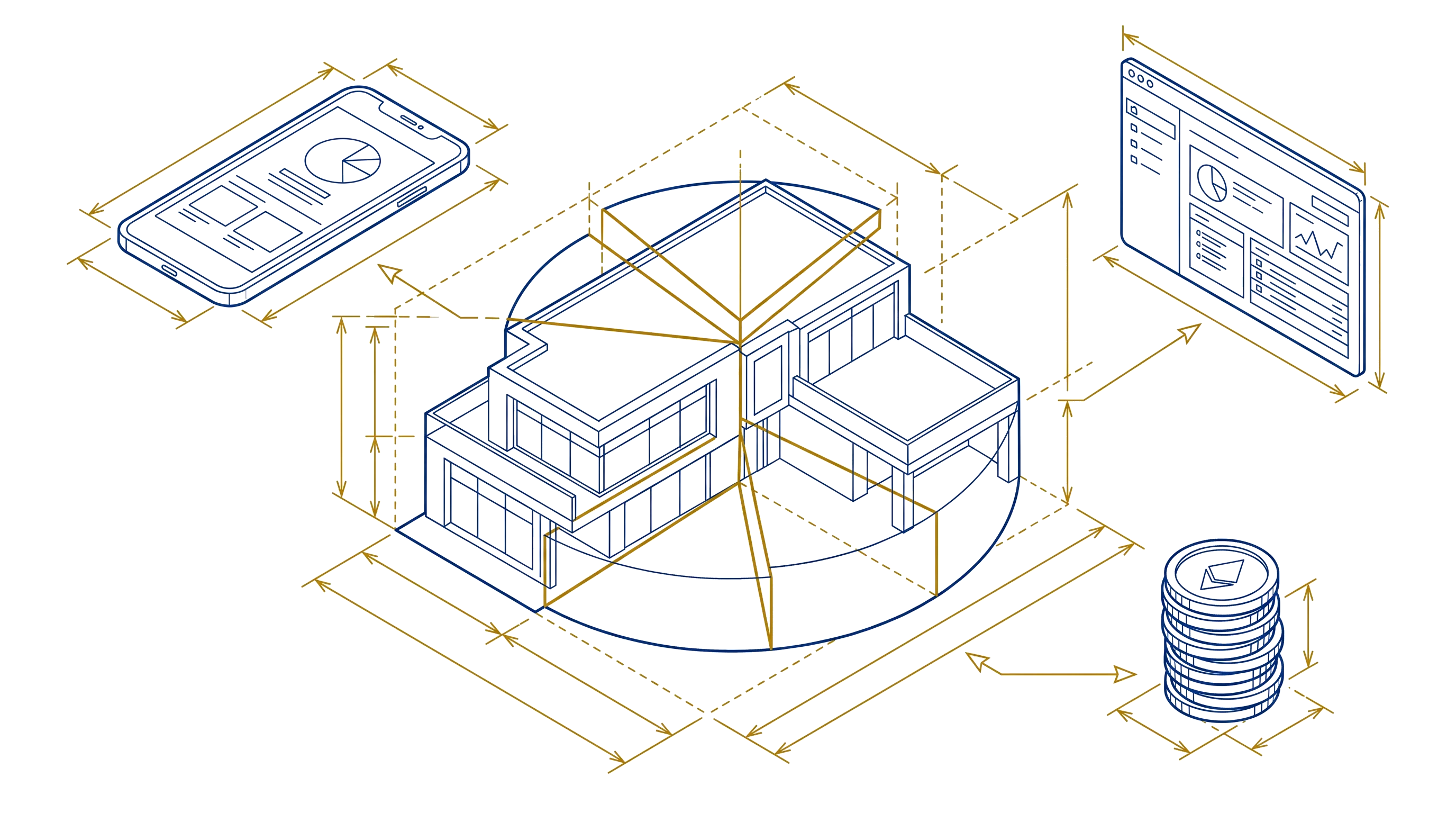
Solo technical founder building the entire tech stack for Fraq — a fractional vacation property ownership platform across Latin America (Colombia, Peru, Mexico, Brazil, Argentina, Chile). Multiple owners acquire percentage stakes in premium properties. Each owner receives annual token allocation proportional to ownership — tokens spent to book stays. The Property Management System serves four user roles: Admins, Property Managers, Operators, and Owners. Web dashboards provide role-specific functionality. Mobile apps give owners convenient access to properties, token balances, reservations, transfers, and revenue monitoring.
What Was Built
Properties and Rooms
two-level hierarchy with activation date logic
Users and Roles
property-scoped assignments across 4 roles (Admin, Property Manager, Operator, Owner)
Ownership
100% validation rule (plus/minus 0.01%), Fraq system user for unsold inventory
Token Wallets
3-year rolling window, proration by activation date, lifestyle-to-business transfers
Business Buckets
real-time aggregation for revenue distribution
Reservations
token deduction, cross-year splits, modification paths
Restrictions
blackout dates, maintenance blocks
Payment Status
CURRENT/OVERDUE/SUSPENDED with blocking rules
How It's Built
Strict layering: Models (CRUD) → Services (business logic) → Resolvers → Schema
Role-based access control throughout the entire stack
100% ownership rule enforced in application layer (plus/minus 0.01%)
3-year rolling token wallet system with current-year proration by activation date
Complete audit trail for all token movements
Multi-currency support: COP, PEN, MXN, USD, BRL, ARS, CLP
Kotlin Multiplatform shared core code across Android and iOS
Presenter pattern with Molecule for state management
Technical Stack
Results & Impact
Entire SaaS solo-built: mobile + web + backend + GraphQL API
Complex business domains handled: token economics, multi-currency, 4-role RBAC
Hired and managed 5-8 contractors across design and development
Deploying v2.0 PMS + mobile apps
Platform supports 7 currencies across 6 Latin American countries